
From Tree to Jar: The Journey of Pure Nilotica Shea Butter

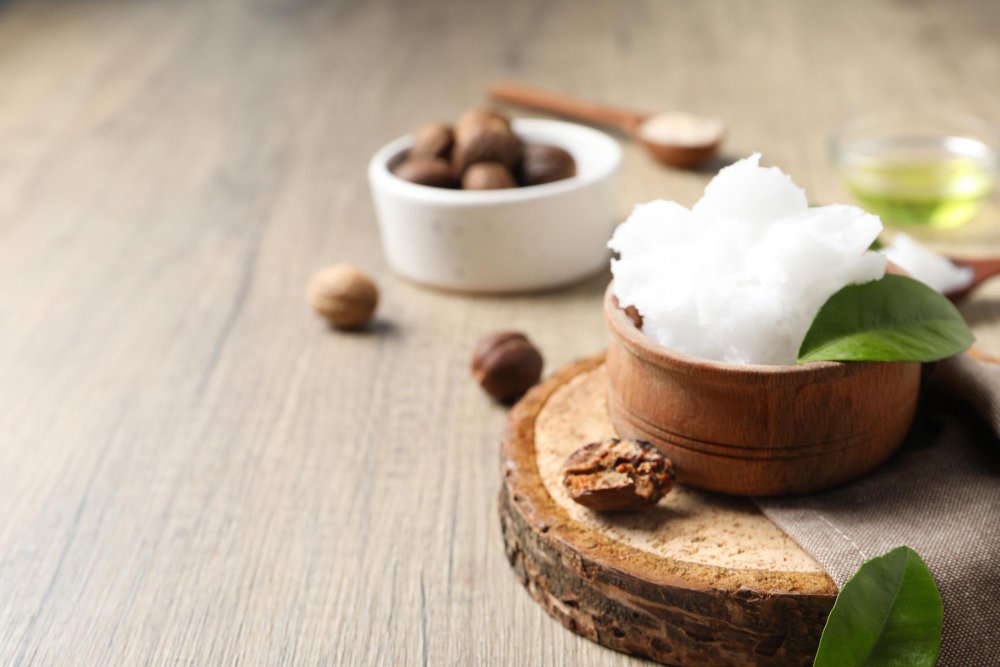
Every Jar Has a Story
Long before it reaches your skincare routine, every jar of KIDOSHO begins as a wild fruit growing beneath the African sun.
There are no plantations. No intensive farming. No shortcuts.
Instead, Nilotica Shea Butter begins its journey in the natural woodlands of East Africa, where mature Shea trees have quietly flourished for generations. Each harvest reflects patience, traditional knowledge, and a deep respect for nature’s rhythms.
At KIDOSHO, we believe understanding where your skincare comes from is just as important as understanding what’s inside it.
In This Article
You’ll learn:
- Where Nilotica Shea Butter begins
- Why Shea trees cannot be rushed
- How Shea nuts become butter
- Why traditional processing still matters
- How ethical sourcing benefits communities
- How KIDOSHO preserves nature’s craftsmanship
A Journey Measured in Decades
Many skincare ingredients can be cultivated and harvested within a single growing season.
The Nilotica Shea tree follows a different timeline.
A young tree may require around 20 years before producing its first meaningful harvest. Once mature, it can continue producing fruit for generations, becoming part of both the landscape and the communities that depend on it.
This slow growth is one reason Nilotica Shea Butter remains one of nature’s rarest botanical ingredients.
Unlike commercial plantations designed for maximum output, Shea trees are part of a living ecosystem that cannot be accelerated through modern agriculture.
Nature determines the schedule.
Growing Wild in East Africa
As we explored in Article #1: What Is Nilotica Shea Butter?, Nilotica Shea trees (Vitellaria paradoxa subsp. nilotica) grow naturally across parts of Uganda and South Sudan.
They thrive in open savannahs, where seasonal rainfall, fertile soils, and decades of uninterrupted growth produce the fruit from which Shea Butter is made.
Because these trees grow wild rather than in orchards, every harvest is unique—a reflection of its environment and the passing seasons.
The Annual Harvest
Each year, mature Shea trees produce green fruits that resemble small plums.
As the fruit ripens, it falls naturally to the ground.
Harvesting begins only after this natural process occurs.
Rather than picking fruit from branches, harvesters gather freshly fallen fruit from beneath the trees. This traditional approach respects the tree’s natural life cycle while helping ensure the kernels have fully matured.
Inside every fruit is a single Shea nut.
Within that nut lies the kernel that will eventually become Shea Butter.
The Craft Behind Every Jar
Transforming Shea kernels into pure butter requires time, experience, and care.
Although techniques vary slightly across communities, traditional production generally follows these steps:
1. Collecting the Fruit
Freshly fallen fruit is gathered by hand during the annual harvest season.
2. Removing the Pulp
The edible fruit is separated from the hard nut.
The nuts are then cleaned and prepared for drying.
3. Drying the Nuts
Drying helps preserve the kernels until they are ready for processing.
This step is essential for maintaining quality throughout the production process.
4. Cracking the Shells
The hard outer shell is carefully removed to expose the kernel inside.
These kernels contain the natural oils that become Shea Butter.
5. Roasting the Kernels
The kernels are gently roasted or heated according to traditional methods.
This step helps prepare them for grinding while contributing to the characteristic aroma of natural Shea Butter.
6. Grinding
The roasted kernels are ground into a smooth paste.
This paste contains the oils, plant compounds, and fatty acids naturally present in the Shea kernel.
7. Kneading and Separation
Water is gradually incorporated while the paste is kneaded.
As the process continues, the natural oils separate and rise, eventually forming butter.
This stage requires both experience and patience.
8. Filtering and Cooling
The butter is filtered to remove remaining solids before cooling naturally.
The result is pure Shea Butter ready for cosmetic use.
Why Traditional Processing Matters
Modern industrial processing often prioritizes speed and efficiency.
Traditional Shea production prioritizes preservation.
When carefully performed, traditional methods help retain the butter’s naturally occurring fatty acids and unsaponifiable compounds, including tocopherols (vitamin E), phytosterols, and triterpenes—components valued in cosmetic science for their skin-conditioning properties.¹
For many communities, this knowledge has been passed from one generation to the next.
It represents both cultural heritage and practical expertise.
Ethical Sourcing Is Part of the Story
A jar of Shea Butter tells more than the story of a tree.
It tells the story of people.
Across East Africa, Shea harvesting and processing have long been carried out by local communities, with women playing a central role in collecting, preparing, and processing the nuts.
At KIDOSHO, ethical sourcing means building partnerships that respect this expertise, support sustainable livelihoods, and recognize the value of traditional craftsmanship.
When you choose responsibly sourced Shea Butter, you are supporting not only a remarkable natural ingredient but also the communities that have preserved its legacy.
From East Africa to Your Home
After harvesting and initial processing, the Shea Butter begins the next stage of its journey.
At KIDOSHO, every batch is carefully handled to preserve the ingredient’s natural character while meeting the quality expectations of modern skincare.
Our focus is simple:
- Preserve purity.
- Respect tradition.
- Maintain quality.
- Deliver an ingredient as close to nature as possible.
We believe the fewer unnecessary interventions between tree and jar, the more authentic the final product remains.
Why This Journey Matters
Understanding where skincare comes from changes how we value it.
Every jar of Nilotica Shea Butter represents:
- decades of tree growth
- one annual harvest
- skilled traditional craftsmanship
- generations of knowledge
- ethical partnerships
- careful stewardship of nature
This is not simply an ingredient.
It is the product of time, patience, and people.
What the Research Says
Scientific literature recognizes Shea Butter as a naturally complex botanical ingredient containing triglycerides, fatty acids, and an unsaponifiable fraction rich in tocopherols, phytosterols, and triterpenes. These naturally occurring compounds contribute to its conditioning properties and help explain its widespread use in skincare formulations.¹
Research also highlights that the composition of Shea Butter varies according to geography, climate, genetics, and processing methods. These natural variations are one reason East African Nilotica Shea Butter possesses characteristics that distinguish it from other shea varieties.²
Beyond chemistry, researchers and development organizations have documented the important socioeconomic role of Shea production in rural African communities, where harvesting and processing contribute to household incomes and preserve generations of traditional knowledge.⁴
Frequently Asked Questions
Why aren’t Shea trees grown on plantations?
Unlike many commercial crops, Shea trees mature slowly and are difficult to cultivate intensively. Most trees continue to grow naturally in wild parkland ecosystems across Africa.
How long does it take for a Shea tree to produce fruit?
A Shea tree may take approximately 20 years before producing its first meaningful harvest and can continue bearing fruit for many decades.
Why is harvesting done after the fruit falls?
Traditional harvesting begins after the fruit naturally drops from the tree, allowing the kernels to mature fully while respecting the tree’s natural growth cycle.
Does traditional processing affect quality?
Traditional methods are valued for preserving the butter’s natural characteristics while minimizing unnecessary processing. Final quality depends on careful handling, hygiene, and storage throughout production.
Key Takeaways
- Every jar of Nilotica Shea Butter begins with a wild-growing tree in East Africa.
- Shea trees mature slowly and may take around 20 years before producing significant harvests.
- Traditional processing transforms Shea kernels into pure butter through carefully preserved methods.
- Ethical sourcing supports communities while helping preserve generations of craftsmanship.
- KIDOSHO believes that respecting the journey from tree to jar is essential to preserving the ingredient’s natural integrity.
Related Articles
Previously in the KIDOSHO Knowledge Library
← Article #1: What Is Nilotica Shea Butter?
← Article #2: Why Nilotica Shea Butter Is Different
Continue Reading
→ Article #4: West African vs. East African Shea Butter
You may also enjoy:
- How Nilotica Shea Is Harvested
- The Nilotica Shea Tree
- Supporting Women Through Ethical Sourcing (coming soon)
- The Communities Behind KIDOSHO (coming soon)
- Understanding Vitamins A & E (coming soon)
References
- Zhang, X., et al. (2026). Shea Butter: A Comprehensive Review of Its Compositions, Processing, Applications, and Challenges. Journal of the American Oil Chemists’ Society.
- ScienceDirect Topics. Shea Butter (Vitellaria paradoxa): Composition, Properties and Applications.
- Maranz, S., & Wiesman, Z. Influence of Climate on the Tocopherol Content of Shea Butter. Journal of Agricultural and Food Chemistry.
- Food and Agriculture Organization (FAO). Publications on the shea value chain, sustainable harvesting, and the socioeconomic importance of shea across Africa.
About KIDOSHO
At KIDOSHO, every jar begins long before it reaches your hands. It starts beneath the canopy of a wild Nilotica Shea tree in East Africa, where nature, tradition, and community come together to create one of the world’s most remarkable botanical ingredients.
By partnering with ethically sourced suppliers and preserving the natural integrity of 100% pure Nilotica Shea Butter, we honor the people, landscapes, and generations of craftsmanship behind every harvest.
Natural is the New Beautiful.