
Why Nilotica Shea Butter Is Different

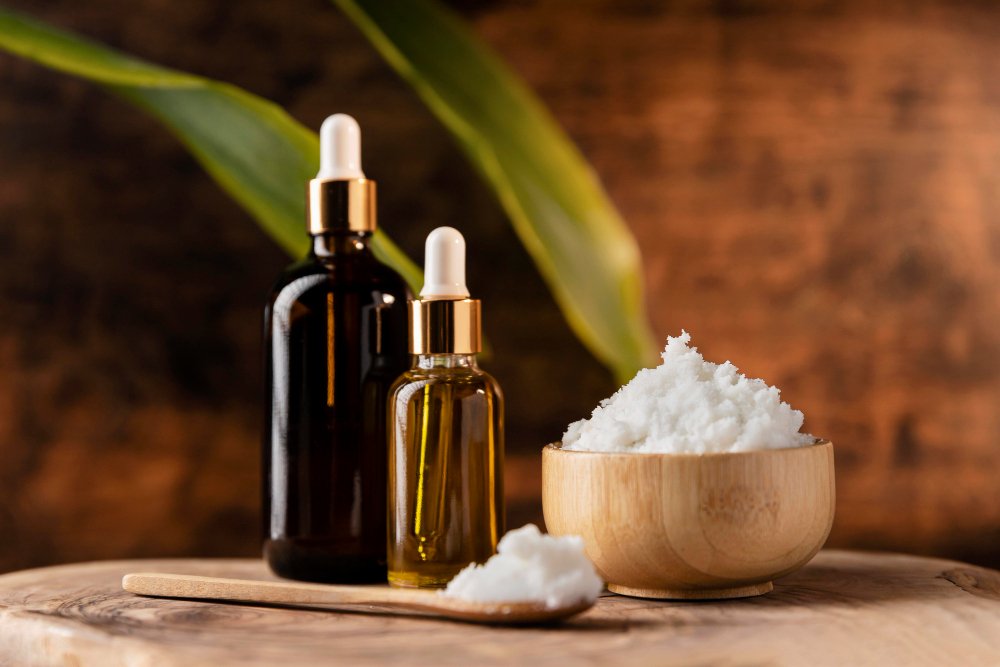
Not all Shea Butter is created equal.
Although all Shea Butter comes from the African Shea tree, the variety that grows naturally in East Africa possesses characteristics that distinguish it from the more common West African type. Its softer texture, higher oleic acid content, and limited geographic distribution have made Nilotica Shea Butter one of the world’s most sought-after botanical ingredients.
At KIDOSHO, we chose Nilotica Shea Butter because its exceptional qualities align with our belief that the best skincare begins with extraordinary ingredients—carefully sourced, thoughtfully preserved, and naturally effective.
In This Article
You’ll learn:
- Why Nilotica Shea Butter is different
- How East African and West African Shea compare
- Why texture and absorption differ
- How geography influences quality
- What scientific research tells us
- Why KIDOSHO chose Nilotica Shea Butter
Every Shea Tree Is Not the Same
In our previous article, “What Is Nilotica Shea Butter?”, we explored the origins of Nilotica Shea Butter and how it is produced from the nuts of Vitellaria paradoxa subsp. nilotica.
While both major shea subspecies belong to the same species, they evolved in different regions of Africa over thousands of years. These differences in climate, soil, rainfall, and genetics have influenced the composition of the butter they produce.
The result is two distinct types of Shea Butter, each with its own characteristics.
A Tale of Two Regions
The African Shea Belt stretches across much of sub-Saharan Africa, but the two principal subspecies occupy different parts of the continent.
West African Shea
Found primarily in countries such as:
- Ghana
- Burkina Faso
- Nigeria
- Mali
- Benin
This variety accounts for the majority of global shea production and is widely used in both food and cosmetic industries.
East African Nilotica Shea
Found naturally in:
- Uganda
- South Sudan
- Northern Uganda
- Limited regions of Ethiopia and Kenya
Its growing region is considerably smaller, making Nilotica Shea Butter significantly rarer. This limited distribution contributes to its premium positioning and lower global production volumes.
What Makes Nilotica Shea Butter Unique?
The difference begins at the molecular level.
Scientific studies have shown that Nilotica Shea Butter generally contains a higher proportion of oleic acid and a lower proportion of stearic acid than the West African variety.¹
Although both fatty acids are naturally beneficial, this balance gives Nilotica several distinctive characteristics.
Naturally Softer
Nilotica Shea Butter has a creamy consistency that often requires little warming before application.
It spreads easily across the skin without feeling waxy.
Faster Absorption
Many users describe Nilotica Shea Butter as absorbing more quickly than traditional Shea Butter.
Rather than sitting heavily on the surface, it melts at approximately skin temperature, creating a lightweight, silky finish.
A Smooth, Elegant Feel
Because of its higher oleic acid content, Nilotica Shea Butter feels luxurious while still providing lasting moisturization.
This sensory experience is one reason it has become increasingly popular in premium skincare formulations.
Nature Shapes the Ingredient
Unlike cultivated crops grown under tightly controlled conditions, Shea trees grow wild.
Every harvest reflects the natural environment in which the trees have matured.
Factors such as:
- rainfall
- soil composition
- altitude
- temperature
- tree maturity
can all influence the composition of the butter.
Scientists have even observed differences in naturally occurring tocopherol (vitamin E) content between shea populations growing in different climates, highlighting the role of geography in shaping the final ingredient.⁴
More Than Texture
While texture is often the first thing people notice, Nilotica Shea Butter is valued for more than its feel.
When minimally processed, it naturally contains:
- oleic acid
- stearic acid
- linoleic acid
- palmitic acid
- tocopherols
- phytosterols
- triterpenes
Together, these naturally occurring compounds contribute to its moisturizing, conditioning, and antioxidant properties.²
Why KIDOSHO Chose Nilotica
When we began developing KIDOSHO, we asked a simple question:
If nature has already created something extraordinary, why improve upon it?
Our answer was to build our products around one exceptional ingredient rather than combining dozens of synthetic alternatives.
We selected Nilotica Shea Butter because it embodies everything we value:
- Purity
- Simplicity
- Heritage
- Craftsmanship
- Sustainability
- Exceptional quality
Rather than competing on the number of ingredients, we focus on the quality of one.
What the Research Says
Research comparing the two shea subspecies consistently identifies meaningful compositional differences.
Studies report that East African Nilotica Shea Butter contains a higher proportion of oleic acid and a lower proportion of stearic acid than the West African variety. This difference influences texture, melting behavior, and sensory feel.¹
Scientific reviews also describe shea butter as a rich source of naturally occurring fatty acids and an unsaponifiable fraction containing tocopherols, phytosterols, and triterpenes. These compounds have been studied for their contributions to skin conditioning and antioxidant activity.²
Dermatology literature further recognizes shea butter as an effective emollient that supports the skin’s natural barrier by helping reduce transepidermal water loss, making it well suited for moisturizing dry skin.³
While these findings support the cosmetic benefits of shea butter, they should not be interpreted as evidence that it treats or cures medical skin conditions.
Frequently Asked Questions
Is Nilotica Shea Butter better than West African Shea Butter?
Neither is universally “better.” Each has its own characteristics. Many people prefer Nilotica Shea Butter for its softer texture, faster absorption, and creamy feel, while West African Shea Butter remains widely valued for many cosmetic and culinary applications.
Why is Nilotica Shea Butter more expensive?
Its natural growing region is much smaller, production volumes are lower, and the trees mature slowly. Traditional harvesting and processing methods also contribute to its premium value.
Does softer mean lower quality?
No. The softer consistency is a natural result of Nilotica Shea Butter’s fatty acid composition and is considered one of its defining characteristics.
Why doesn’t everyone use Nilotica Shea Butter?
Availability is one of the biggest factors. Most global shea production comes from West Africa, making Nilotica Shea Butter comparatively rare.
Key Takeaways
- Nilotica Shea Butter comes from a different subspecies of the African Shea tree.
- It grows naturally in a relatively small region of East Africa.
- Its higher oleic acid content contributes to a softer texture and elegant skin feel.
- Geography, climate, and traditional processing all influence its unique characteristics.
- KIDOSHO chose Nilotica Shea Butter because it reflects our commitment to purity, craftsmanship, and naturally effective skincare.
Related Articles
If you enjoyed this article, continue exploring the KIDOSHO Knowledge Library:
← What Is Nilotica Shea Butter? (Article #1)
Next in the series
→ West African vs. East African Shea Butter: What’s the Difference? (Article #3)
You may also enjoy:
- From Tree to Jar: The Journey of Nilotica Shea Butter
- How Nilotica Shea Is Harvested
- The Nilotica Shea Tree
- Understanding Vitamins A & E in Shea Butter
- How Shea Butter Moisturizes Skin
References
- Zhang, X., et al. (2026). Shea Butter: A Comprehensive Review of Its Compositions, Processing, Applications, and Challenges. Journal of the American Oil Chemists’ Society.
- ScienceDirect Topics. Shea Butter (Vitellaria paradoxa): Composition, Properties and Applications.
- Baumann, L. Shea Butter. Dermatology News (review of cosmetic and dermatologic properties).
- Maranz, S., & Wiesman, Z. Influence of Climate on the Tocopherol Content of Shea Butter. Journal of Agricultural and Food Chemistry.
About KIDOSHO
KIDOSHO was founded on a simple belief: exceptional skincare begins with exceptional ingredients.
We source 100% pure Nilotica Shea Butter from East Africa through ethical partnerships that honor traditional knowledge, support local communities, and preserve the natural integrity of this remarkable ingredient. Every article in the KIDOSHO Knowledge Library is written to help you understand not only what we make, but why it matters.
Natural is the New Beautiful.
Editorial continuity for future articles
For the remaining Launch Library, I’ll maintain a running knowledge graph so each new article:
- Links back to previously published articles where foundational concepts have already been explained.
- Minimizes unnecessary repetition while remaining understandable as a standalone page.
- Introduces new concepts progressively, creating a cohesive educational journey across the KIDOSHO Knowledge Library.